The Start of Lasting Change
Hope Alive!’s focus has always been to help vulnerable children gain access to education and equip them for the future. As the organization has grown, so has their impact within the communities surrounding their different site locations. One way they have impacted the community around Koro (Gulu) has been through agricultural outreach. Many people in northern Uganda are involved in some sort of agrarian trade; a large number own their own farming land. Hope Alive! has seen this common reality as an opportunity to further share the Gospel message and strengthen the vitality of their communities. After first testing some agricultural techniques on their own farm, Hope Alive! invited the caregivers of sponsored students to be trained on a certain skill and were given the opportunity to buy the tools necessary to practice. The first project that was launched was the beekeeping venture. 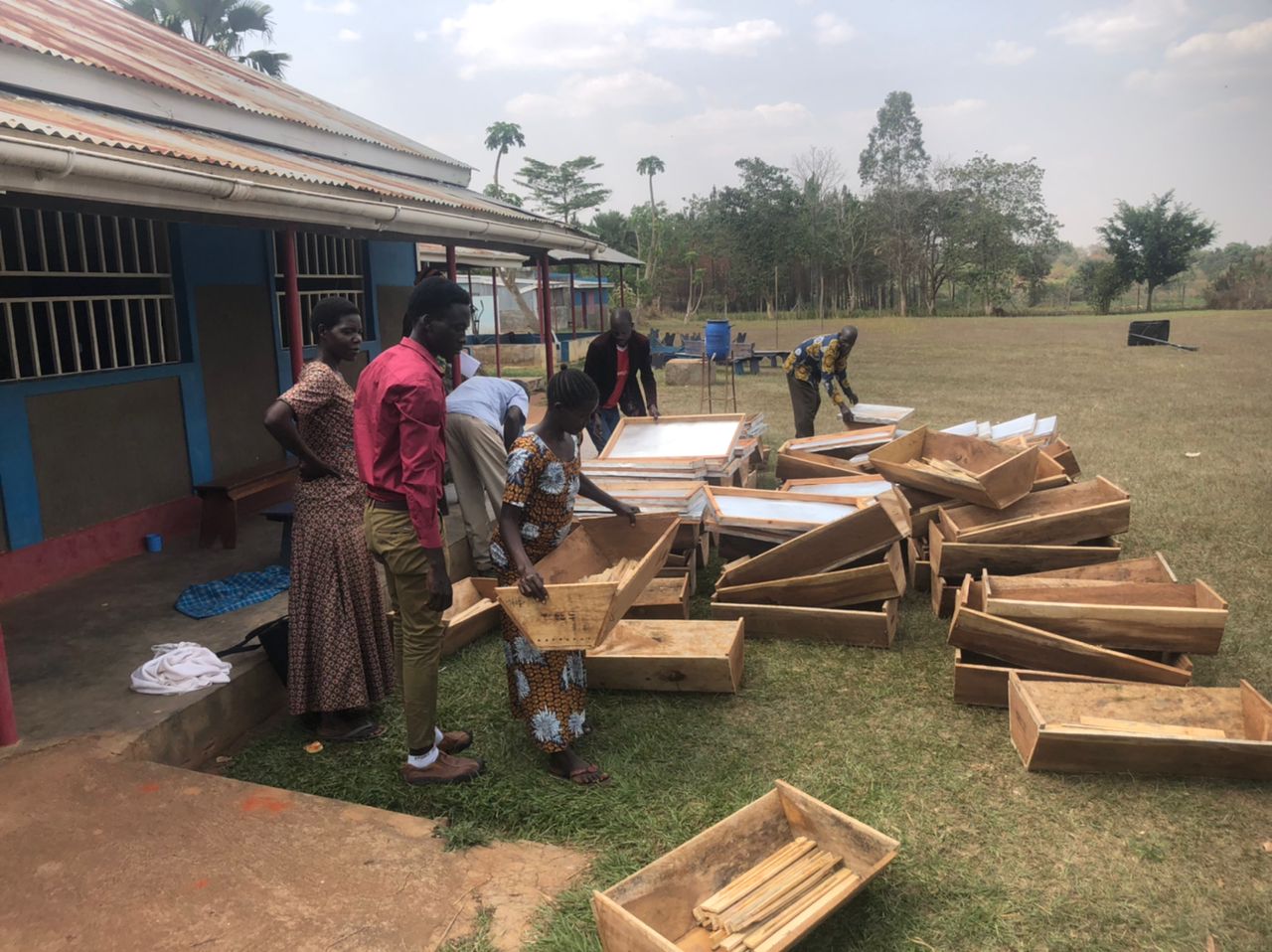
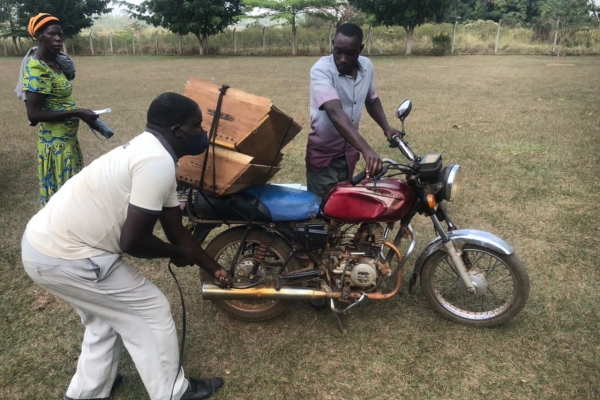
A number of other local non-governmental organizations (NGOs), that already aid the community and have developed fruitful beekeeping practices, wanted to help support the caregiver outreach. This allowed for collaborative training and made the project easier to undertake. In addition, Hope Alive! partnered with Northern Uganda Women and Children Support Initiative, Inc. (NUWOCSI) and was able to acquire higher quality hives than the local variety. The local hives would have normally cost approximately 100,000 UGX ($28.17) per hive, but, through working with NUWOCSI, Hope Alive! was able to subsidize the cost for its families. A family can purchase three Kenyan Top Bar Hives for 75,000 UGX ($21.13). Even at a fourth of the cost, it is still a significant expense for the caregivers.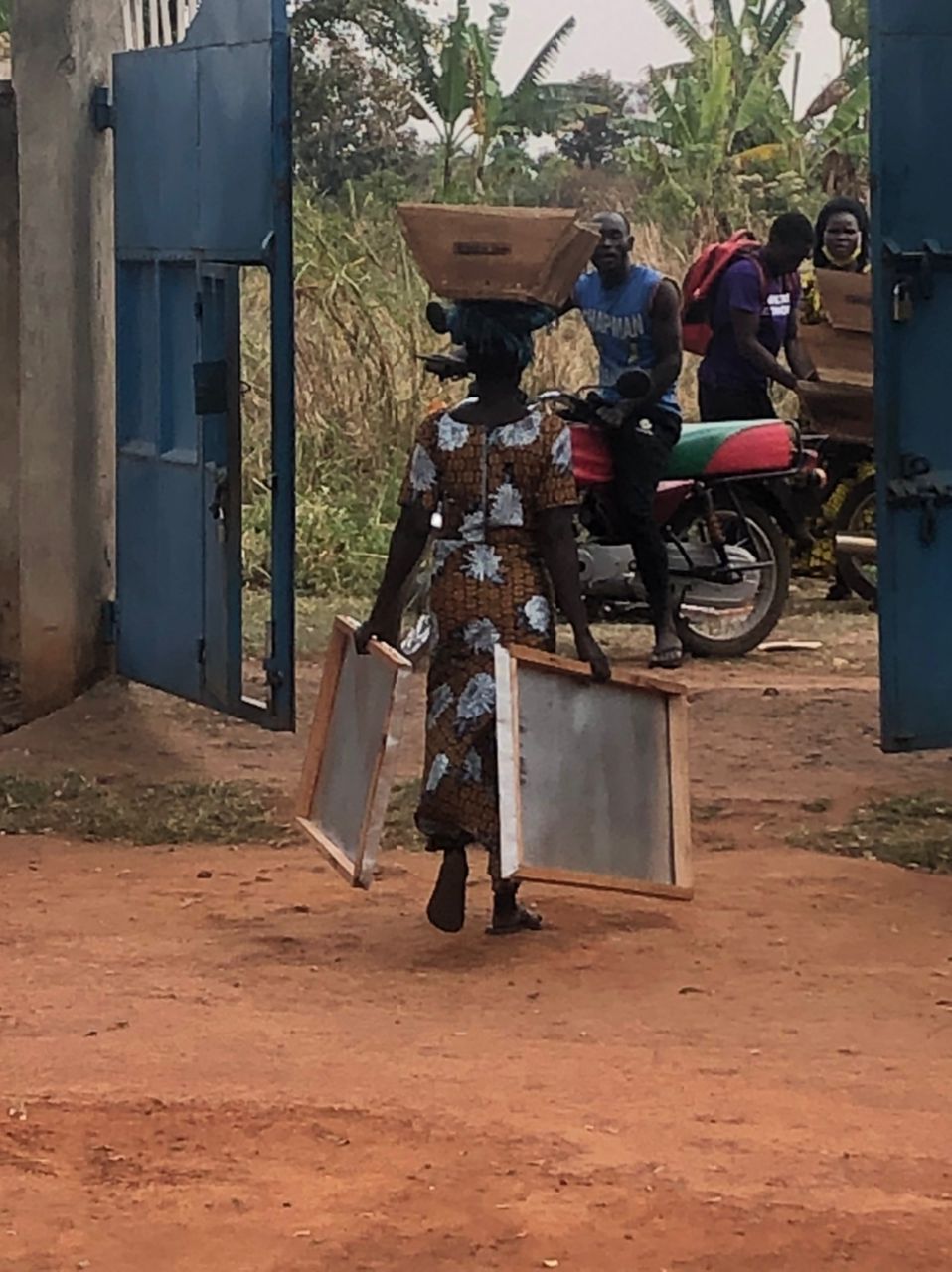
Fifty-nine families showed interest in the beekeeping program at the initial meeting in January. The first training lasted all day. Hope Alive! and the other NGOs taught the family representatives how to get started and how to best set up the hives. Out of the 59 families, 40 from the Koro (Gulu) site purchased beehives at the first training. Families are now sharing the other beekeeping resources like the outfit and smoker. Hope Alive! has five sets of equipment available for families to check out for three days, like a lending library. 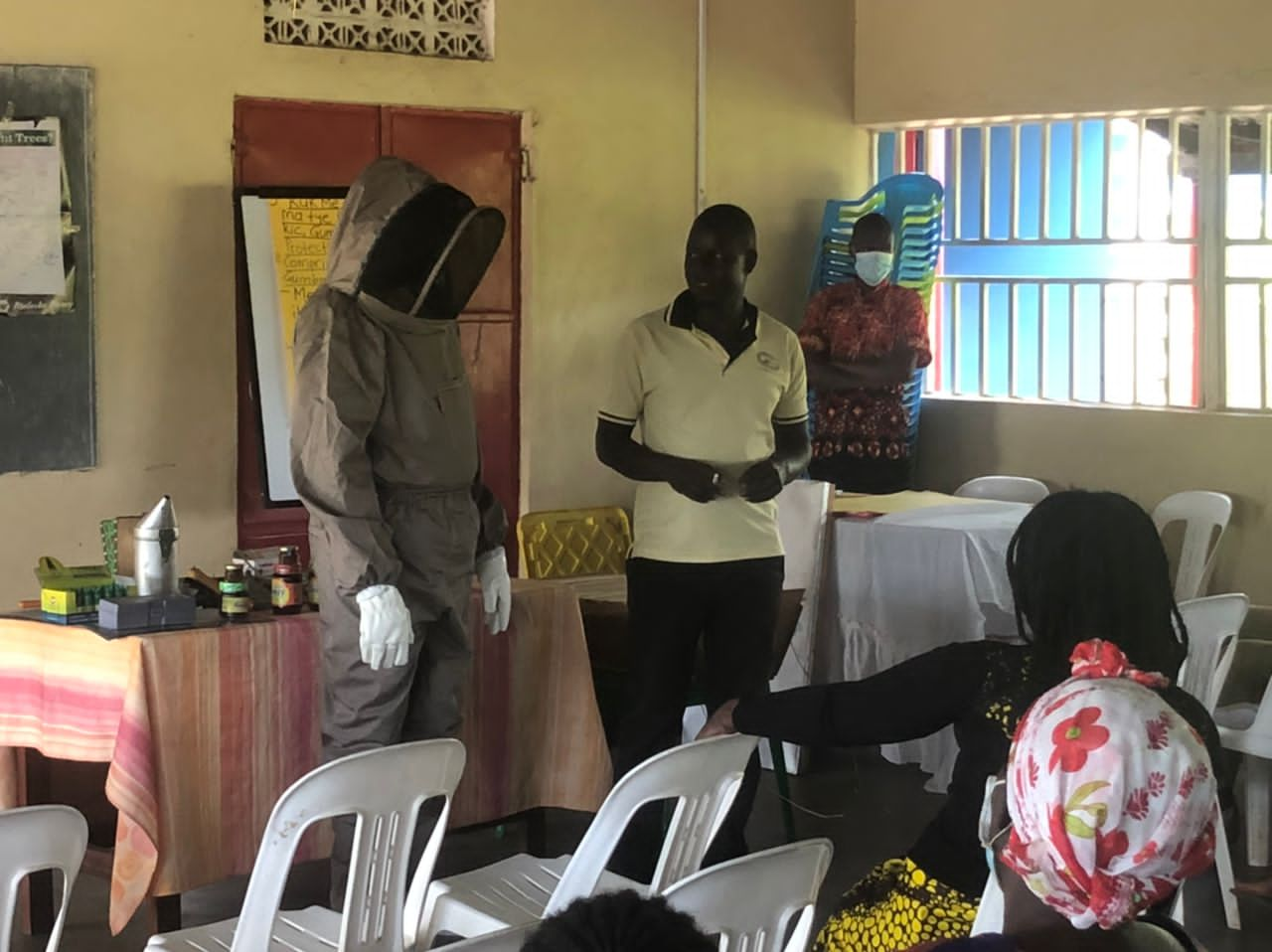
There will be a second training in July regarding how to harvest the honey in a way that yields the most product. While it may take a long time to see the results of this project, the potential for return is very high. The first harvest should occur sometime in August. While the initial amount of collected honey is usually small, if it goes well, then future harvests will continue to increase. We look forward to seeing how equipping our caregivers impacts the success of their children and community in the future.