MENU
Progress Report Hope Alive! Land Koch Lii
Map Legend: houses are blue, road is red, planted with intercropping are brown, planted without intercropping are yellow, forest areas are green.
This project was started in collaboration with Kijani Forestry (https://kijaniforestry.com). Kijani provided training and seedlings.
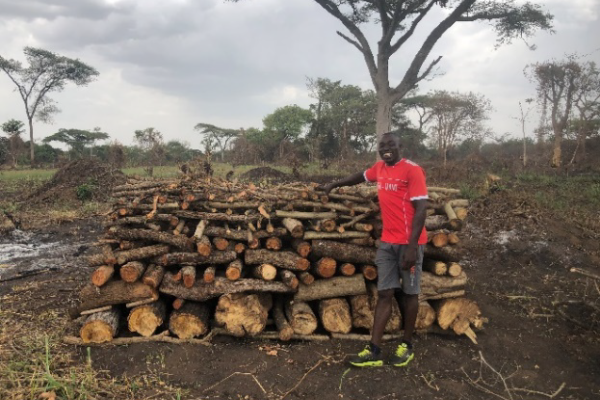
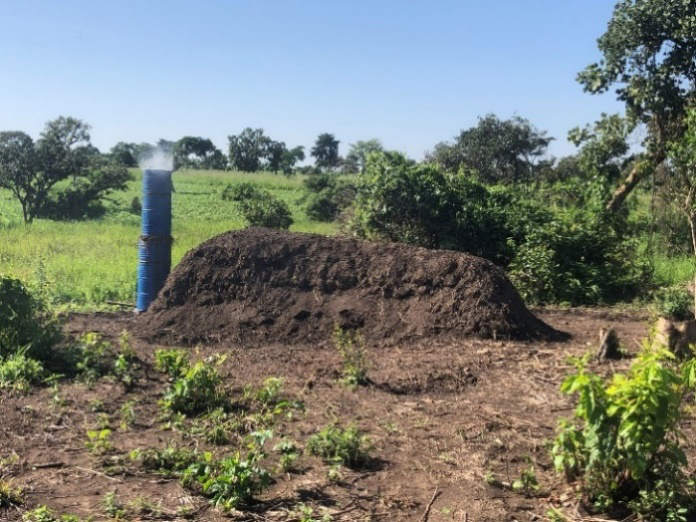
Two Hope Alive! students, Odokonyero Brian and Acaye Robert, participated in a two-week training at the Kijani farm and learned everything they needed to know about planting the seedlings and producing charcoal from the wood that became available as we cleared the land in preparation for planting.
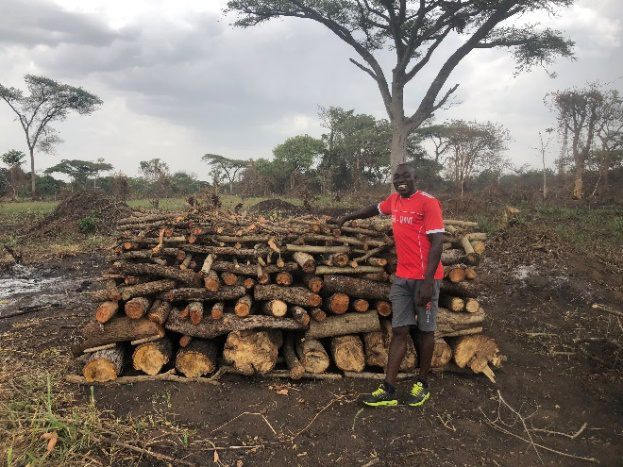
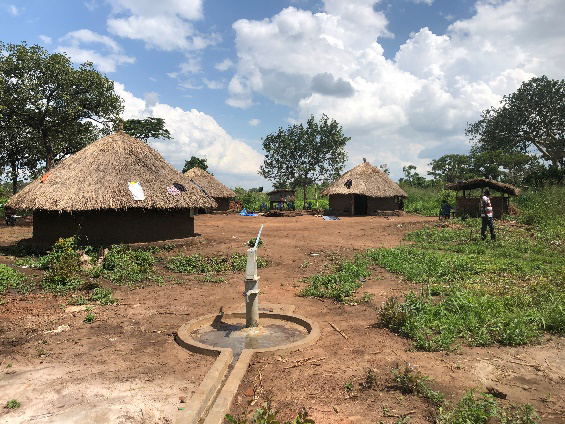
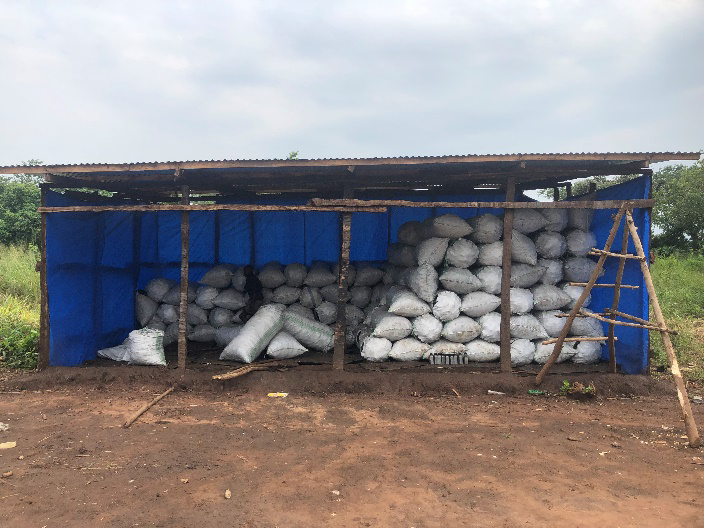
In order to make it possible to live and work on the land we built three huts, a pit latrine, a charcoal storage and dug a well. Ojok Christopher, another HA! student, was in charge of the construction, while WET Consulting (https://www.bmsworldmission.org/wet-consulting) dug the well.
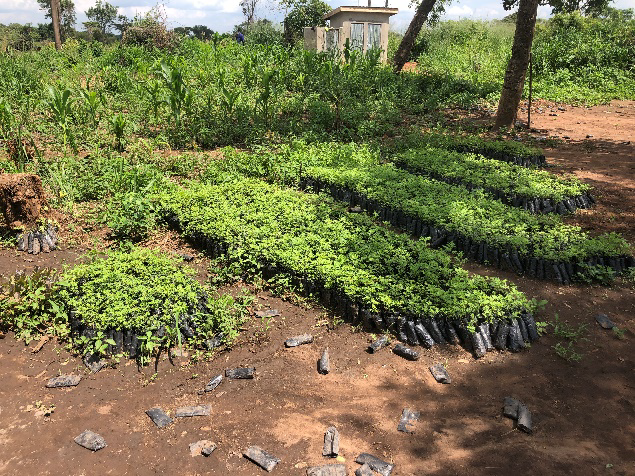
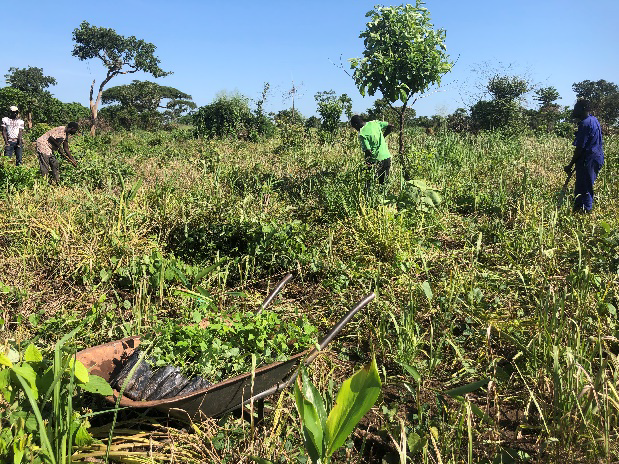
After the huts were finished Brian, Robert, and Kworom Jovis, another HA! student, were in charge of starting up the project. Together with 5-7 other HA! students and between 25-35 local neighbors they have worked for months to clear the land, cut the trees, burn charcoal, and plant new seedlings. By the end of July more than 50,000 seedlings will have been planted and 200+ bags of charcoal will have been produced.
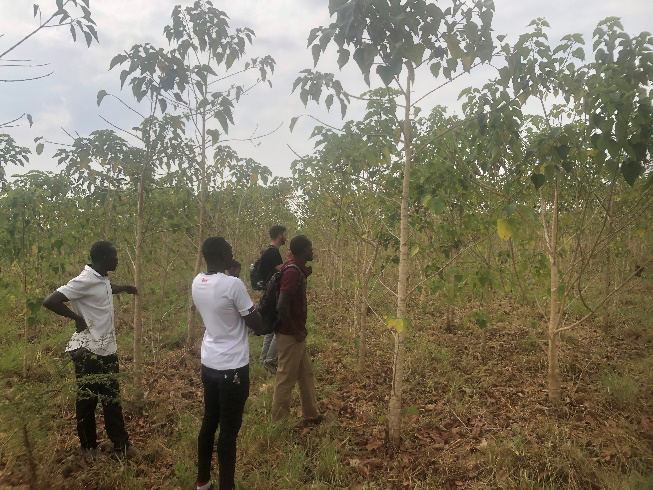
A large portion of the seedlings are planted close together to maximize the amount of charcoal that can be produced per acre, but on 20+ acres the trees were planted further apart to create the opportunity for intercropping. Intercropping benefits the trees, the crops that are planted, and gives HA! students and staff the opportunity to farm land for free. In return we don’t have to weed those areas.
In the middle of the land we have created a “road” to make it easier to move seedlings and charcoal, while it also creates a fire break in case bush fires reach our property. Two small forest areas remain on the land where we hope to put some beehives in the future. It might not be possible to plant all 100,000 seedlings in time this year, so it’s possible we will plant the remaining seedlings next year.
This project was started in collaboration with Kijani Forestry (https://kijaniforestry.com). Kijani provided training and seedlings.
Two Hope Alive! students, Odokonyero Brian and Acaye Robert, participated in a two-week training at the Kijani farm and learned everything they needed to know about planting the seedlings and producing charcoal from the wood that became available as we cleared the land in preparation for planting.
In order to make it possible to live and work on the land we built three huts, a pit latrine, a charcoal storage and dug a well. Ojok Christopher, another HA! student, was in charge of the construction, while WET Consulting (https://www.bmsworldmission.org/wet-consulting) dug the well.
After the huts were finished Brian, Robert, and Kworom Jovis, another HA! student, were in charge of starting up the project. Together with 5-7 other HA! students and between 25-35 local neighbors they have worked for months to clear the land, cut the trees, burn charcoal, and plant new seedlings. By the end of July more than 50,000 seedlings will have been planted and 200+ bags of charcoal will have been produced.
A large portion of the seedlings are planted close together to maximize the amount of charcoal that can be produced per acre, but on 20+ acres the trees were planted further apart to create the opportunity for intercropping. Intercropping benefits the trees, the crops that are planted, and gives HA! students and staff the opportunity to farm land for free. In return we don’t have to weed those areas.
In the middle of the land we have created a “road” to make it easier to move seedlings and charcoal, while it also creates a fire break in case bush fires reach our property. Two small forest areas remain on the land where we hope to put some beehives in the future. It might not be possible to plant all 100,000 seedlings in time this year, so it’s possible we will plant the remaining seedlings next year.
Fragile Families Flourishing in the Hope of Jesus!

Stay in the Loop
Sign up to receive our Hope Alive! email newsletters