
The Birth of Hope Alive! Part 5: Koro Site is Established
I had wanted to begin Children of Hope (now Hope Alive!) in the Gulu area of northern Uganda, where the civil war raged, but my mission organization felt it was too dangerous, as vehicles were often ambushed. (I was able to fly in and out of Adjumani.) The rebel army committed such atrocities that the government had moved almost two million people into Internally Displaced Persons (IDP) camps, which was identified by a United Nationals official as “the world’s largest neglected humanitarian emergency”. There was inadequate water, food, space and security. The situation was still terrible in early 2006, when my mission organization permitted me to work in the area.
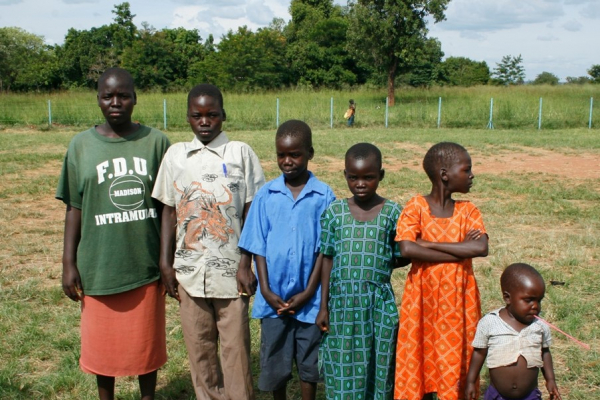
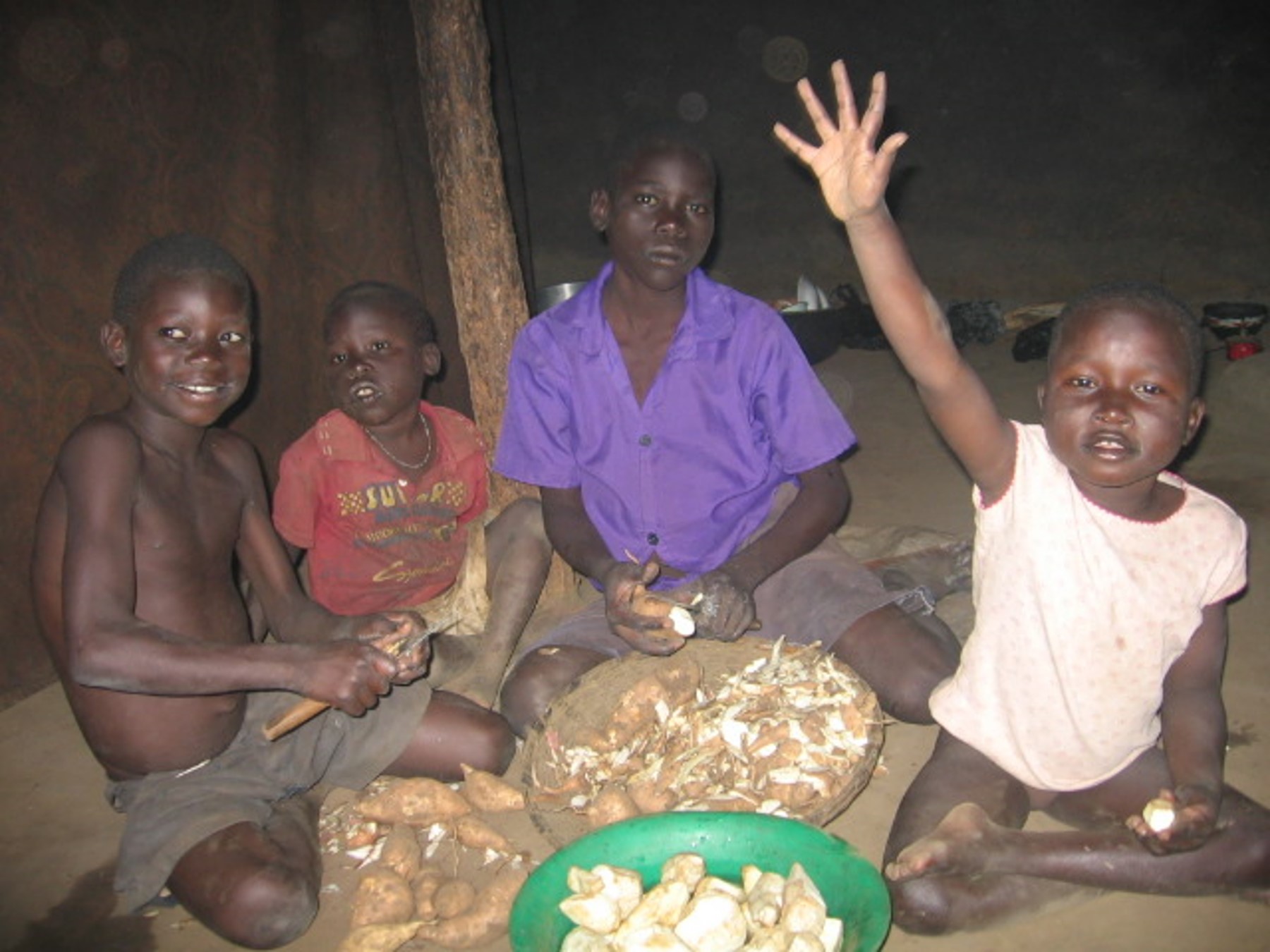
A relief worker took me through Koro Abili IDP camp, just south of Gulu town, to meet with child-headed households. I can still remember meeting child after child being cared for by another slightly older child. One family consisted of a four-year-old girl, paralyzed from the waist down, being cared for by three older brothers, ages six, nine, and 12. They slept on a dirt floor with no mattress(es) or blankets. Their only clothes were those they were currently wearing. The oldest brother scrounged for food for the family in rubbish heaps behind other huts in the camp. No one, especially a child, should live like that!
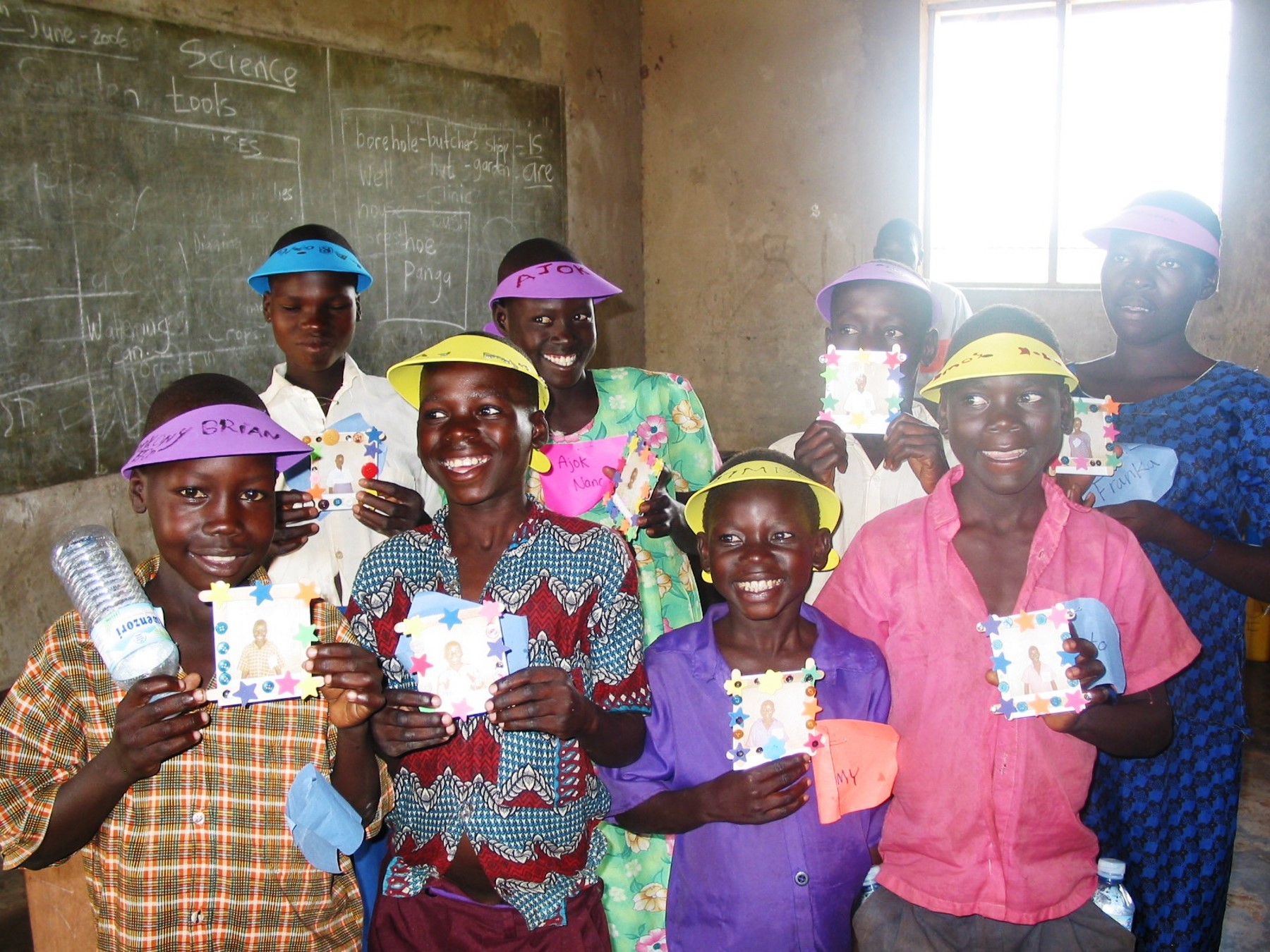
In June 2006, partnering with a church on the southern edge of Gulu town, we enrolled 48 school-age children from 20 child-headed households, plus another dozen children too young for school.
The day we opened Gulu Site, we played games, made crafts, had a fabulous meal, and, at the end of the day, gave each child a blanket and towel. We also provided the families with plates, cups, bowls, basins, cooking pots, utensils and Jerry cans for fetching water from the well. Mattresses would be distributed a few days later. Oh, the smiles and laughter we heard that day!
We realized immediately that it would be wiser for us to feed the children breakfast and dinner, than to expect them to cook for themselves before and after school. (As at all our sites, we paid for school lunches.) We bought an acre and a half right on the edge of the camp and began building our Feeding Centre. Even before it was finished, we were serving the children meals. Interest in sponsorship was so strong that we were constantly enrolling more students.
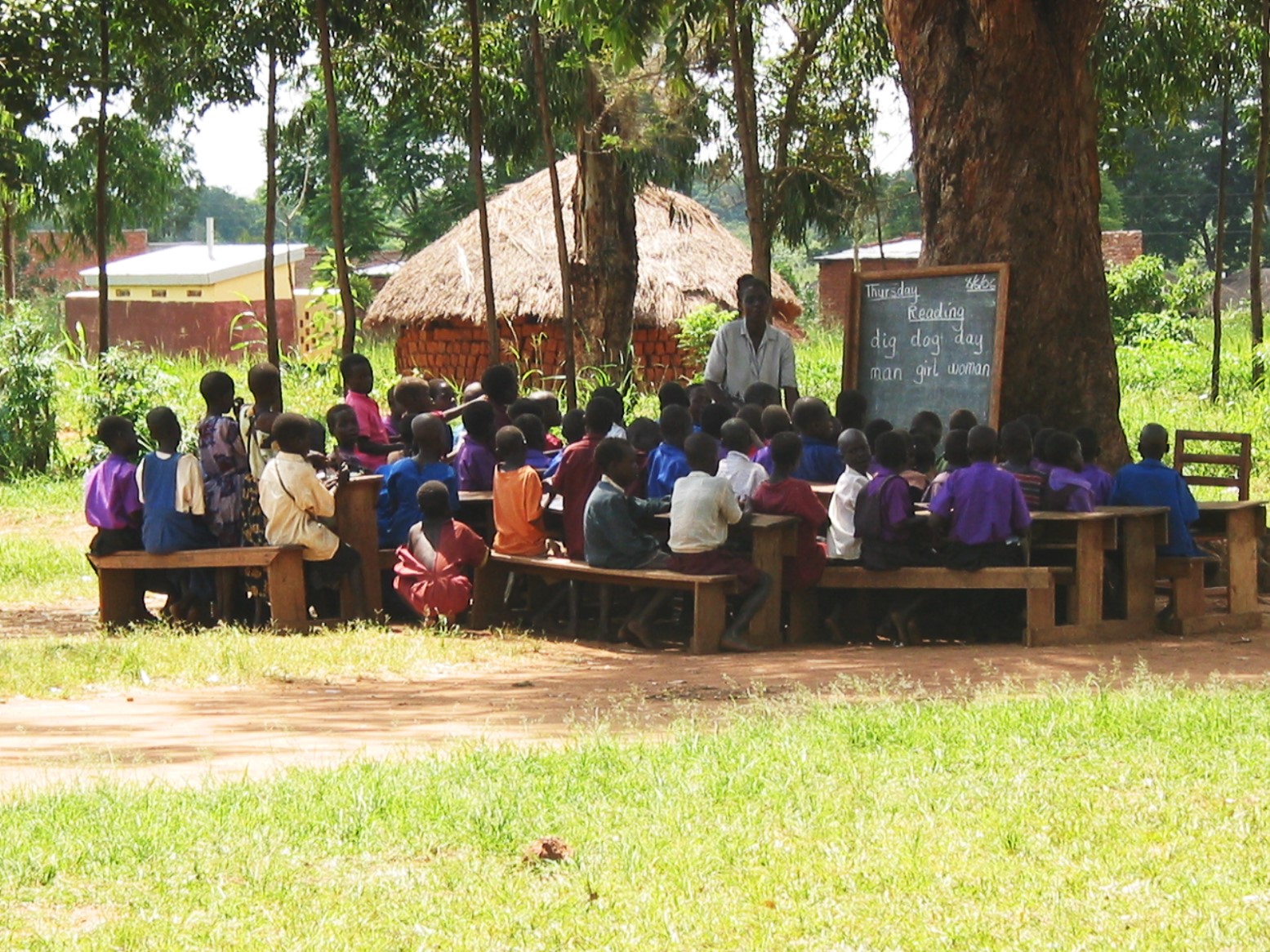
Over the years, this site, now called Koro Site, has changed considerably. The north has been at peace for a long-number of years, and many of our students know nothing of war. Our first graduates are holding jobs, starting businesses and providing for their families. As at our other sites, some alumni have returned as mentors. Other Westerners have joined our staff and lead agricultural, agroforestry, micro-enterprise and educational programs. Koro Site is one of our largest. I am overwhelmed and deeply grateful to God for the transformation that has taken place here over the past 16 years.