
"Man Up and Go" Part 2: Stories of Success from Koro (Gulu)
How Graduates Are Transforming Their Lives and Communities
The success of the Man Up and Go program is best illustrated through the stories of its graduates. These men are stepping into their God-given callings, using their training and microloans to make a tangible difference.
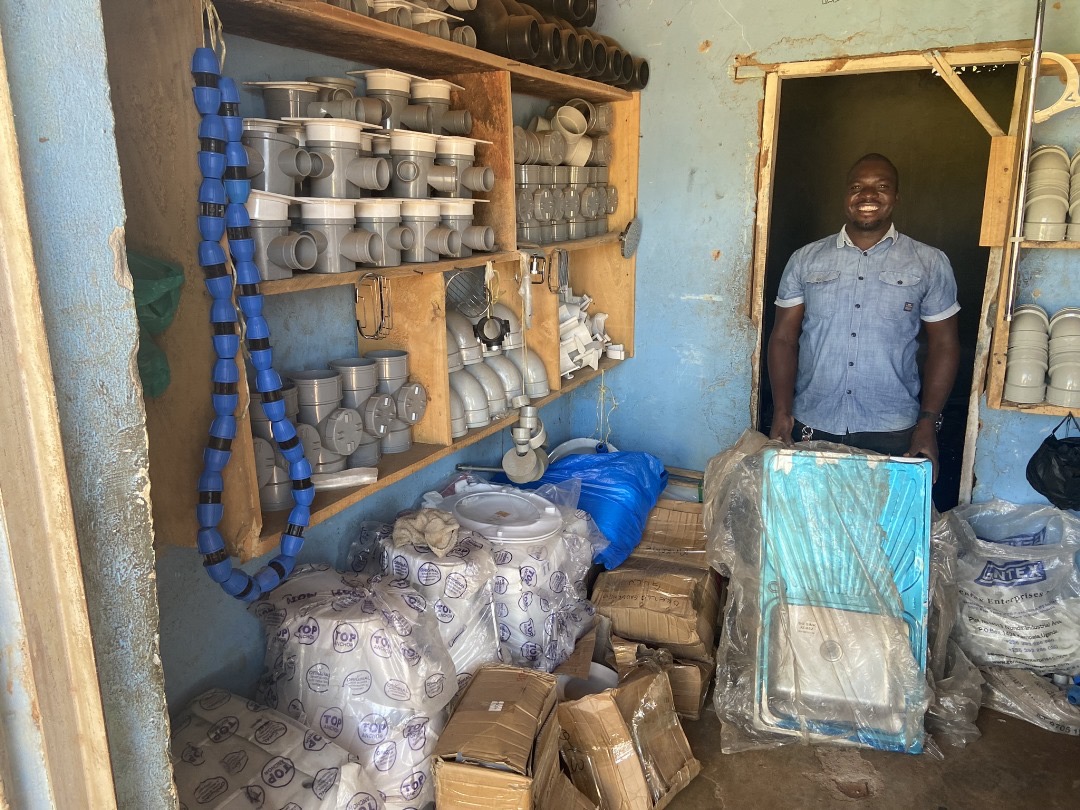
Odong Walter owns a small plumbing shop in Gulu, which he operates with a friend. While the business was profitable, they often lacked the capital to stock larger, in-demand items, leading to missed sales opportunities. Through the “Man Up and Go” program, Odong received a microloan that allowed him to purchase essential supplies like sinks and toilets. This investment not only expanded his inventory but also increased the shop’s profitability, enabling them to better serve their customers and grow their business.
Okello Francis, a second-round participant in the Man Up and Go program, started a piggery with the help of a loan. While the project didn't prove highly profitable, Okello kept his pigs and continued working at the Hope Alive! farm. Using a portion of his salary, he steadily repaid his loan. Additionally, he grew maize (corn) and beans, using the profits to pay off his loan in early 2024.
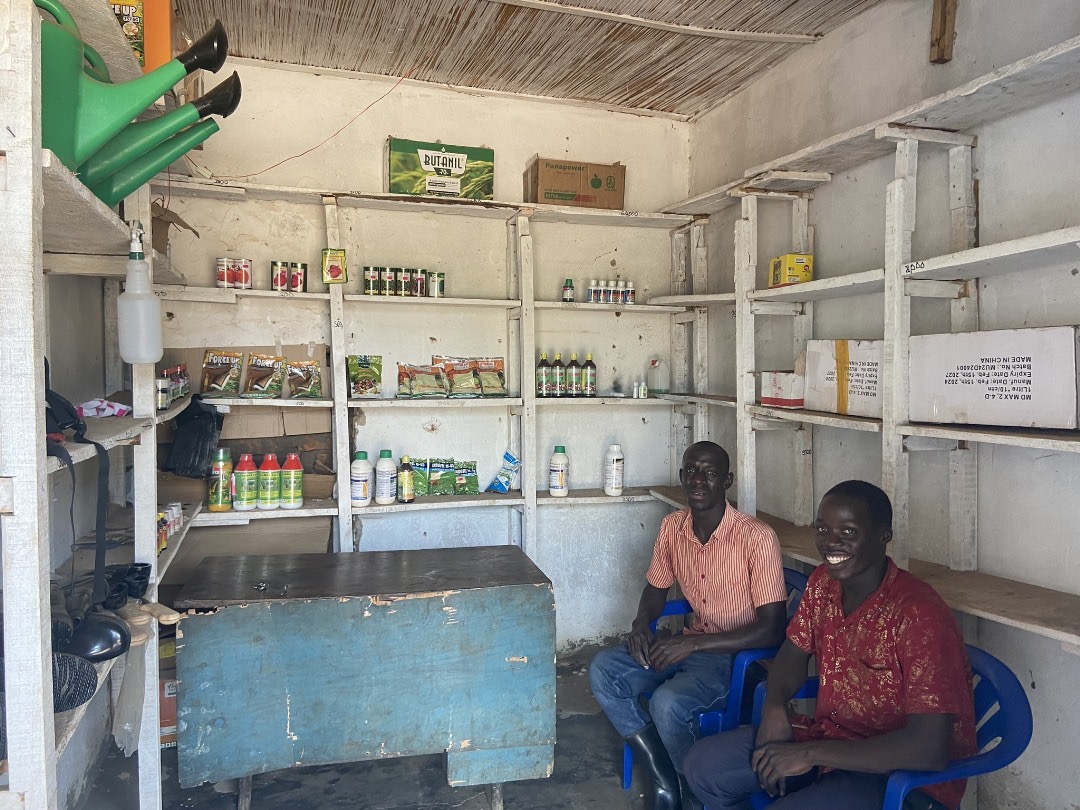
Recently, Okello requested a new loan to open an agro-vet shop, which sells agricultural and veterinary products like fertilizer, herbicides, and animal medicines. Although the cost of stock limits the quantities he can buy, the shop has been profitable, and Okello plans to expand it in the future. With further loans, he hopes to add new services and open additional locations.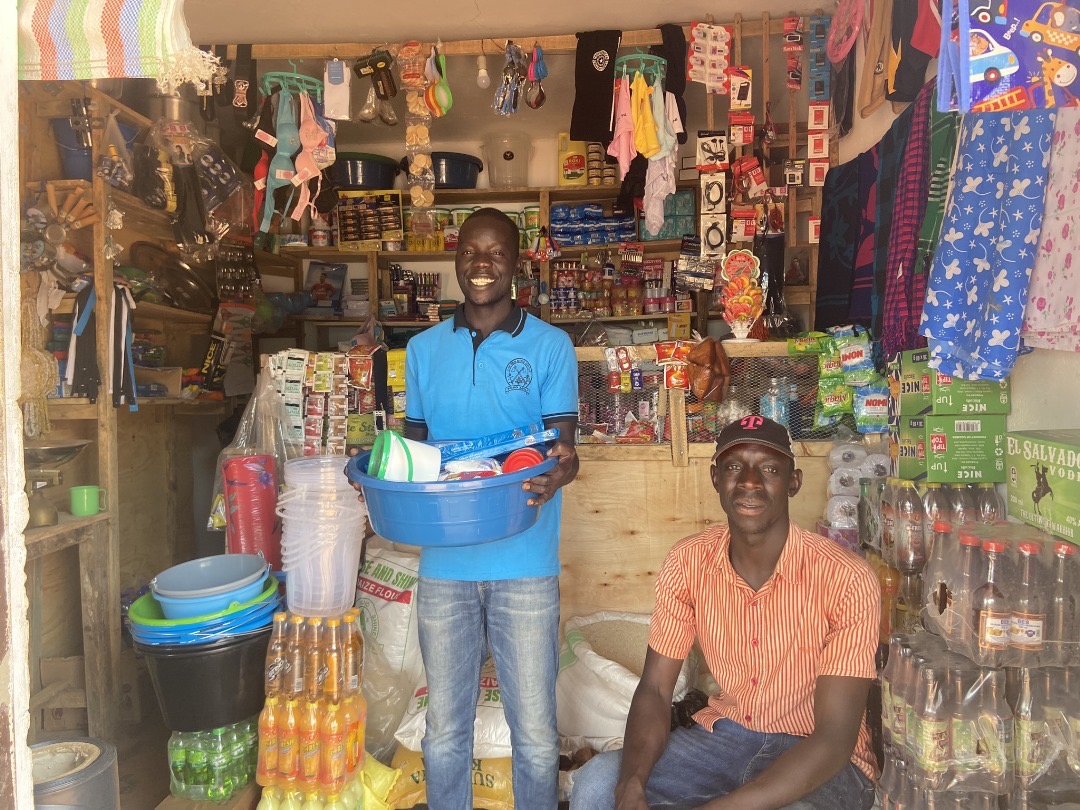
Ojok Francis opened a small shop in a remote trading center located at a busy crossroads. By identifying gaps in the local market, he stocked items that were previously unavailable in the area. Now, customers no longer need to travel far to get the products they need, making Ojok's shop a valuable stop for many.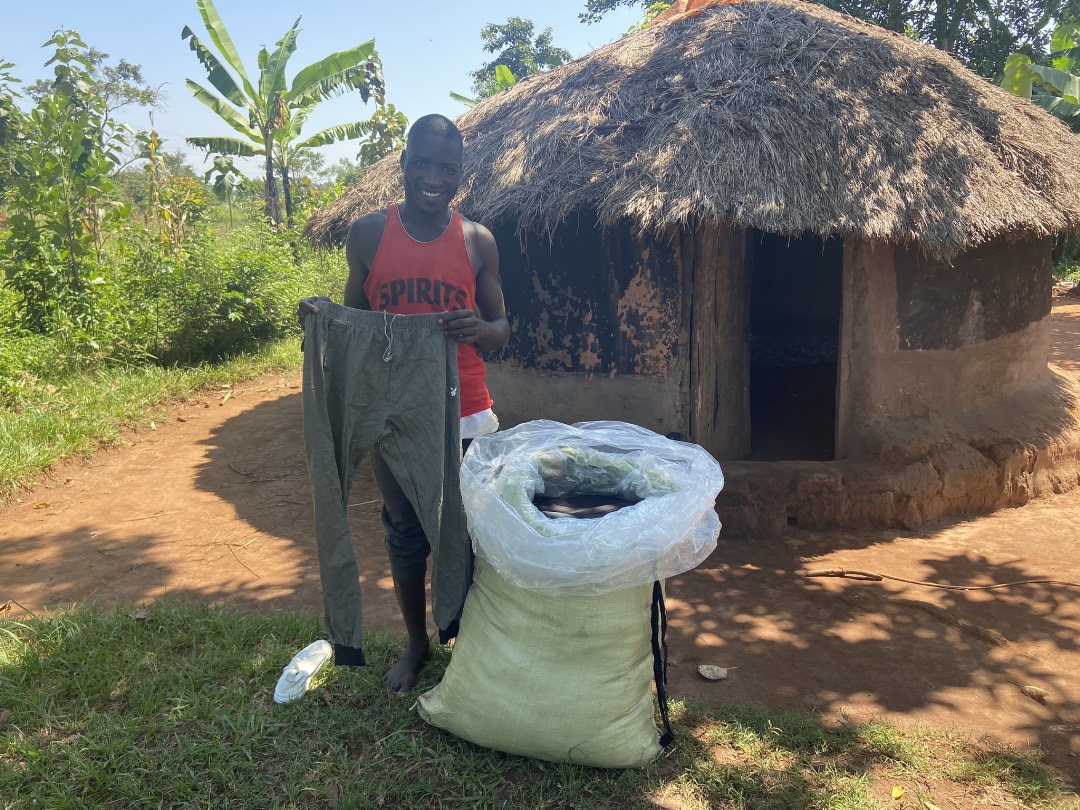
Odong Kennedy traveled to Kampala to purchase new clothes, which he sells at local markets. Since each town has its market day on a different schedule, Kennedy is able to sell his clothing every day in a different location, reaching a wide range of customers.
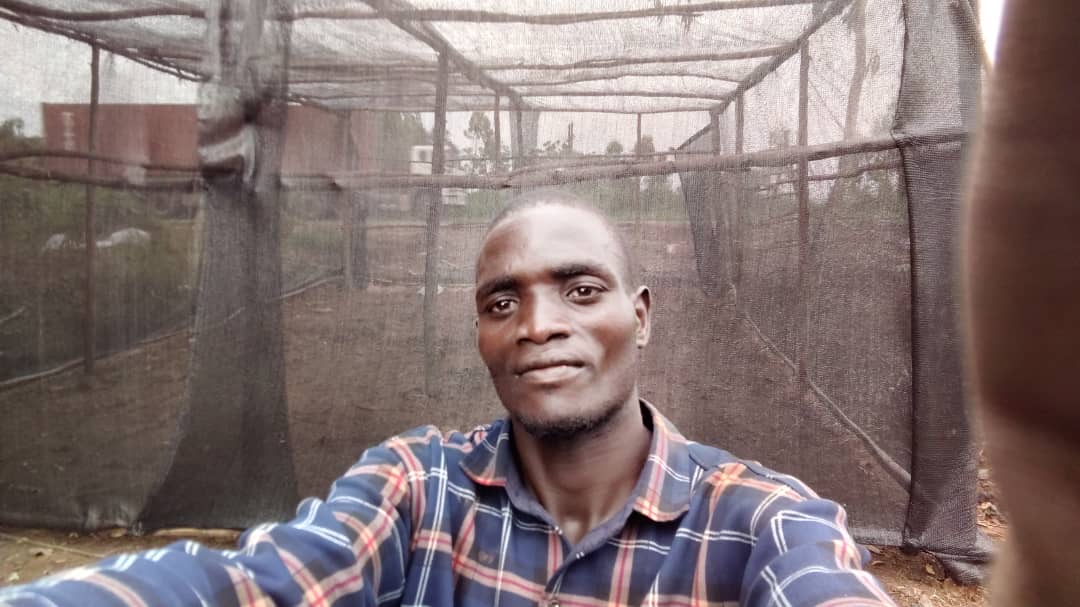
Okello Sunday used his training and microloan to establish a tree nursery. His vision is twofold: to grow fruit trees that provide nourishment and to cultivate seedlings that can be used for timber production.
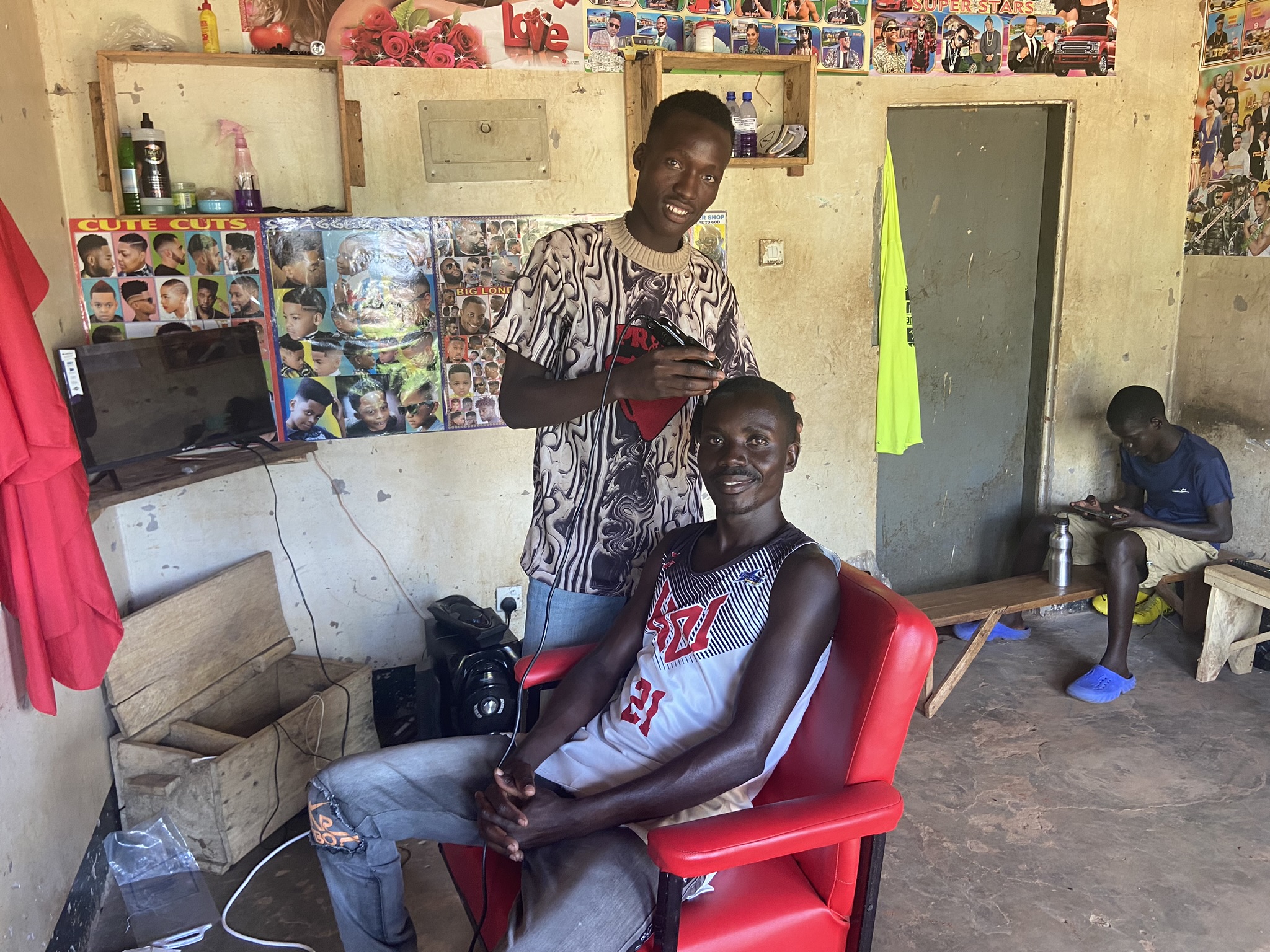
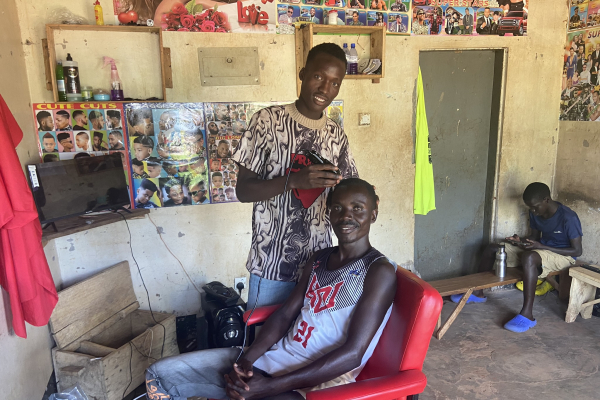
Olal Francis Kigguwu started up a small barbershop right around the corner from the Hope Alive! Koro (Gulu) site.
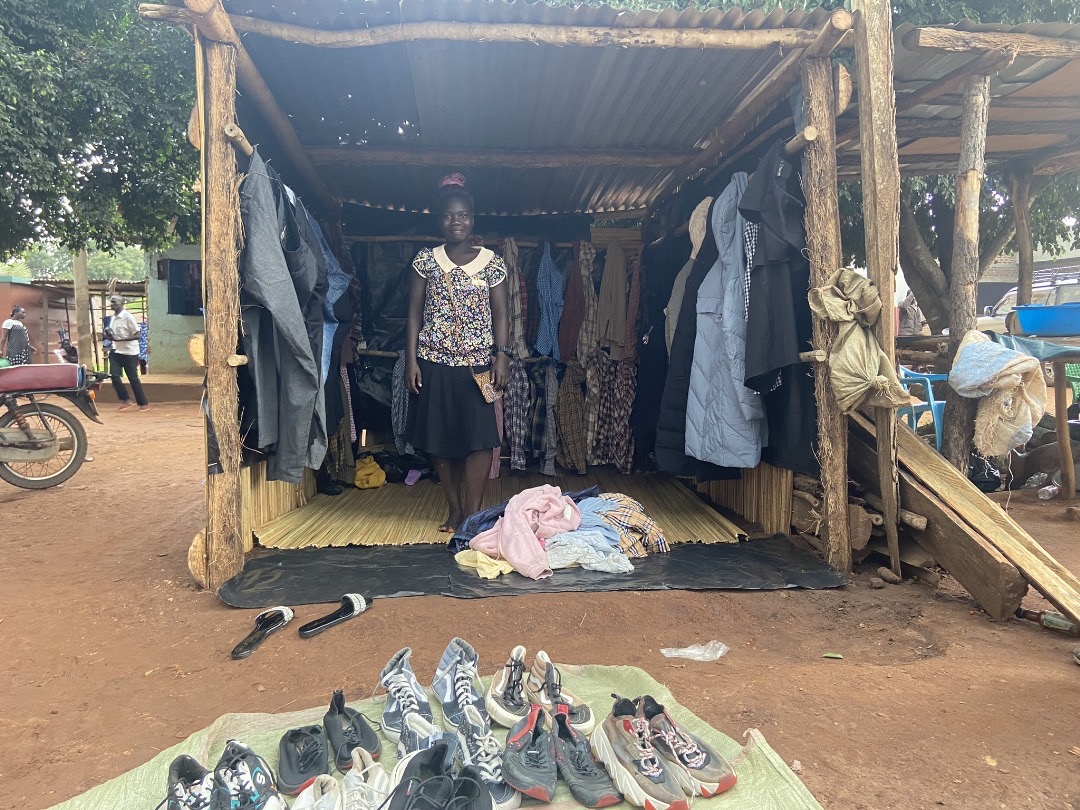
Ouma Richard bought a bale of secondhand clothing from Kampala. He is teaming up with his wife to sell the clothes at a roadside stand.
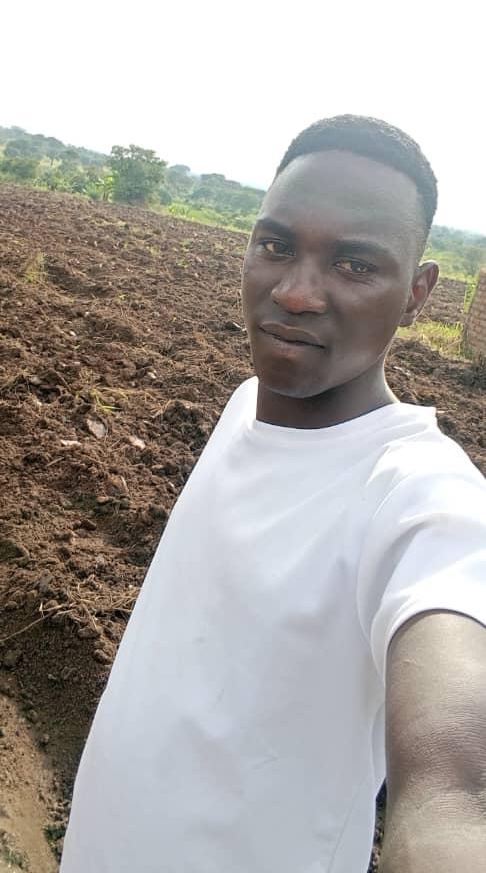
Openy Joel used his loan to plant sesame seeds. With careful cultivation, he is working towards building a sustainable farming business.
Each of these men represents a story of resilience, faith, and hard work. While some businesses have faced challenges, others have flourished, providing hope and stability to families and neighbors.
Since the program’s launch, 65 men in the Koro community have participated, with the fourth cohort graduating this past summer. The most recent cohort, containing 16 graduates, included a mix of alumni, mentors, students, and young leaders from Koro Baptist Church. Their accomplishments inspire others and demonstrate the potential of this transformative initiative.